Summer Is When Indie Apps Actually Grow. Here's Why.
The conventional wisdom says summer is a slow period for app downloads. It's wrong. Here's what actually happens to indie app discovery from June through August — and how to position your app to catch it.
The conventional wisdom says summer is slow for app downloads. Big studios pull back their UA spend. Marketers talk about the "summer slump." The implication is that June through August is a period to survive rather than capitalize on.
That's wrong, at least for indie apps. Here's what actually happens.
More Unstructured Screen Time Is Good for Discovery
Structured screen time — someone pulling out their phone to do a specific thing — doesn't produce new app installs. Unstructured screen time does.
Summer means more unstructured screen time. Kids out of school reshapes household schedules. People travel, which means time in airports, in cars, in places where they have nothing specific to do and they start browsing. Whatever the mechanism, the browsing behavior that produces organic app discovery is higher in summer than in most of the rest of the year.
Organic discovery is where indie apps actually win. We can't compete on UA budgets. But a user who finds you while browsing the App Store is a better user than one who clicked a paid ad — higher engagement, better retention, more likely to leave a review. Summer produces more of those users.
The App Store's Competitive Noise Drops
The App Store has two peak launch windows: the spring/WWDC window (which just closed) and the fall iOS release window (September–October). Everyone who is going to launch for WWDC has launched. Everyone building for the fall release is in development mode, not marketing mode.
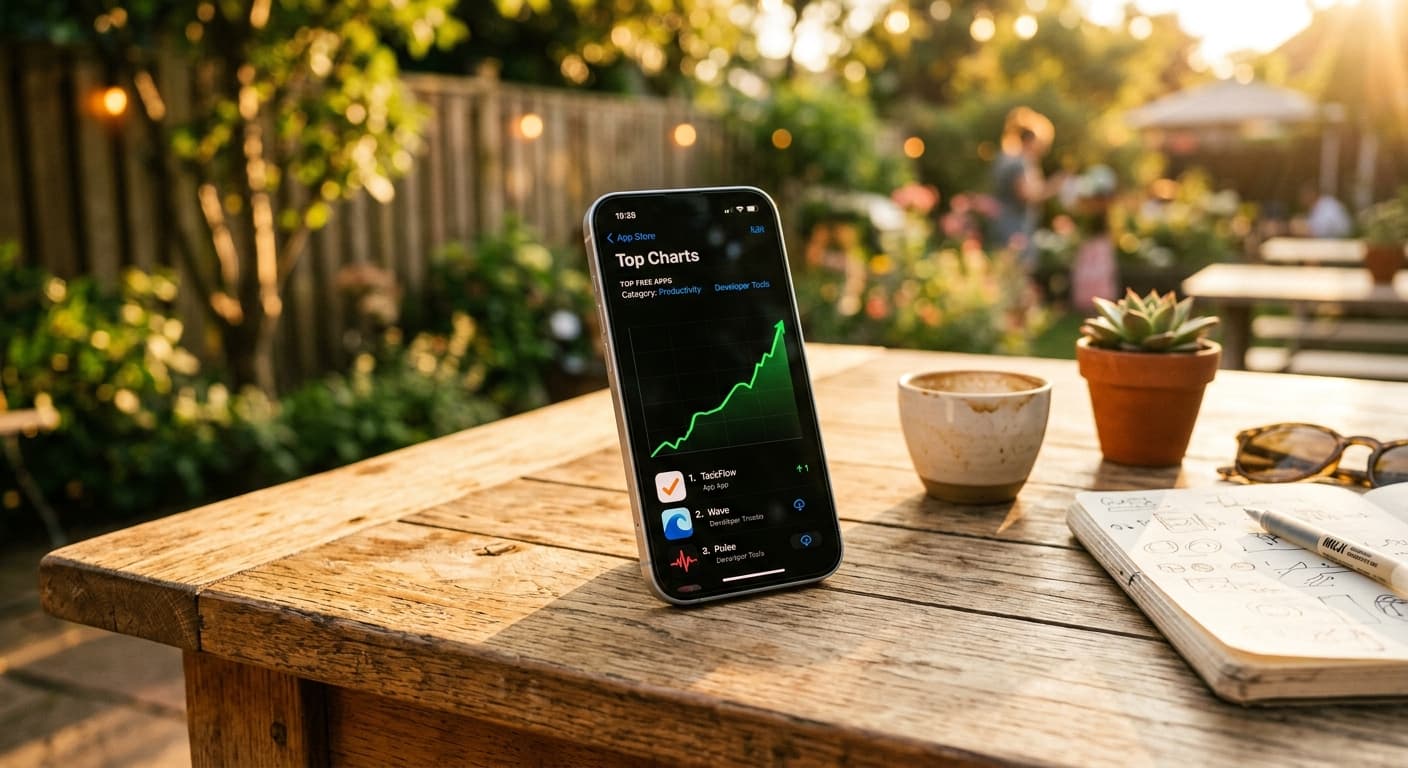
That gap — June through mid-August — is quiet. The charts move more on organic signals and less on paid blitzes. A well-reviewed indie app with a fresh update can surface in category charts that would be impenetrable in September.
Word of Mouth Is Seasonally Higher
People gather in summer. BBQs, vacations, family trips, outdoor events. When people are physically together, they share apps in person — "you have to download this" moments that don't happen over text as often.
This is particularly true for utility and lifestyle apps. If your app has a natural social share moment, summer is when that circuit fires more often.
What to Actually Do Before July
Three moves worth making before the summer window peaks:
Ship an update now. A recent update signals to the App Store algorithm that your app is active. It also gives your existing user base something to share. If you have anything sitting in "close enough to ship," get it out before the end of June.
Refresh your App Store screenshots. Summer is when new users discover you. The moment of discovery is the screenshot set. If yours are more than a year old, they're underselling the current version of the app. A screenshot refresh takes a day and pays back across the entire discovery window.
Ask for reviews. Summer users are in a better mood than February users. Sounds trivial, but it affects whether someone bothers to leave a star. Time your review request prompts to hit users during moments of success with the app — the hit rate improves when users are in a positive frame of mind, and summer produces more of those moments.
The fall launch window gets all the attention. The summer window is when the work you did in spring actually compounds.
Working on something like this? See mobile app development or what XenneX has built.
Keep reading
- The Stack Choices I Made 3 Years Ago. Do I Regret Them?Mid-2022 was when I locked in the technical decisions that are now baked into everything XenneX ships. Some aged well. Some I live with. A couple I'd do differently if I were starting today.
- Why I Still Read Every Single App Store ReviewSix live products, years of reviews, and I still read every one manually instead of just scanning the star average. Here's what that catches that sentiment analysis doesn't.
- What Apple's Kids Category Kept Out of PlaySoriPlaySori went to App Review in the Kids Category this week. That meant cutting my purchase SDK and crash reporting, and building a few things myself.