The Time I Raised Prices
I raised the price on one of my own products and spent two weeks bracing for the backlash. Here's what actually happened, and what I got wrong about how much it would matter.
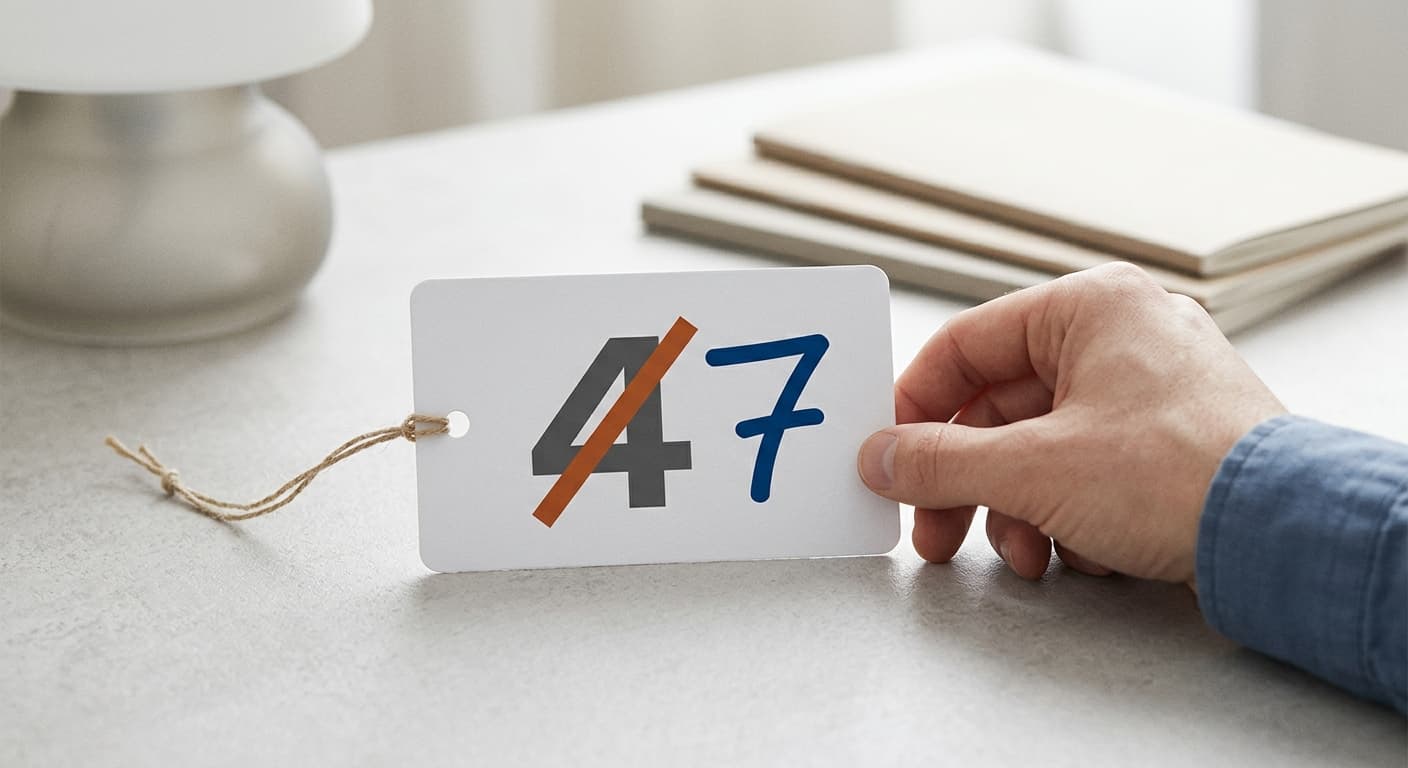
I raised the price on one of my own products this year, and I spent two weeks before doing it fully braced for backlash — review-bombing, a wave of cancellations, the kind of reaction that makes a founder quietly revert the change a week later and never mention it again. That's not what happened. I want to write down what actually did, because I got the size of the reaction wrong in both directions, and the actual lesson is more useful than the story I was scared of going in.
The Setup
The premium tier of one of my apps had been priced the same since launch. Costs hadn't stayed flat — infrastructure, support time, the actual scope of what premium included had all grown — but the number on the price page hadn't moved once. I knew it was underpriced. I'd known it for months. I still put off changing it, because a price increase is one of the few product decisions where the downside is loud and immediate and the upside is quiet and only shows up later.
What I Was Actually Afraid Of
Not losing new signups — I could model that, and a lower conversion rate at a higher price is a normal, survivable tradeoff. What I was actually afraid of was existing subscribers, people already paying the old number, opening the app to find out the number had changed on them. That felt like breaking a promise, even though no promise had actually been made about the price staying fixed forever.
What I Actually Did
Existing subscribers kept their current price, permanently, as long as they stayed subscribed. The new price applied to new signups only. This is a more expensive way to raise prices — it means running two prices side by side indefinitely instead of one clean number — but it turned the change from "we're charging you more" into "new customers pay more than you do," which is a completely different message to receive.
New subscribers got a clear, single email a week out explaining what was changing and why, in plain language, not a vague "we're updating our pricing" notice designed to be skimmed past.
What Actually Happened
Cancellations from existing subscribers: negligible, close to indistinguishable from the normal background rate. Nobody was actually asked to pay more, so there was nothing to react to.
New-signup conversion did drop, for about three weeks, before mostly recovering. That drop was real and I felt it daily on the metrics I do track, and it was also exactly the kind of temporary dip I'd modeled going in — the difference between what I expected and what happened wasn't the size of the dip, it was how much smaller the whole event felt than the two weeks of dread leading up to it.
Total revenue, including the higher per-seat price on new signups, was net positive within about six weeks.
What I Got Wrong
I overweighted the existing-subscriber reaction and underweighted my own two weeks of anticipatory dread as a real cost. The price change itself was a small, boring event. The time I spent bracing for a backlash that didn't come was a genuinely bigger cost than the backlash would have been if it had actually shown up at the size I feared.
I also didn't need to protect existing subscribers as completely as I did. It was the right call and I'd make it again, but it came from fear more than from a clear read of what subscribers actually needed to feel fairly treated. A smaller grandfather window probably would have landed almost as well, for less ongoing complexity on my end.
The Actual Lesson
A price that's been flat since launch isn't a stable price, it's a price nobody's gotten around to fixing. Grandfathering existing customers turns a price increase into a message about who's getting the new number, not about anyone losing something they already had. And the dread beforehand is very often a bigger tax than the event itself — which doesn't make the dread irrational, it just means it's worth pricing into the decision as its own real cost, separate from whatever the actual backlash turns out to be.
Working on something like this? See how XenneX works with clients or what XenneX has built.
Keep reading
- What We Actually Charge For (And What We Used to Give Away Free)Our pricing looked nothing like this two years ago. Here's the honest version of how it evolved — what moved from free consultation to billable scope, and the lesson behind each change.
- The Apps I Quietly KilledNot every project survives contact with users. An honest accounting of what got shut down, why, and what it actually cost — instead of the version where every product story has a happy ending.
- The Codebase That's Older Than Some of My Users' CareersComet has been live on Google Play since 2015. A literal look at what's still running from the original code, what got quietly rewritten, and which early decisions actually held up.